Wood Kitchen Cabinets: A Guide to Materials, Styles and Custom Sizing
A new kitchen begins with the cabinet material, door style, finish and size, whether you are a homeowner planning a home kitchen or a trade buyer specifying several. This guide explains the choices and how to request a quotation.
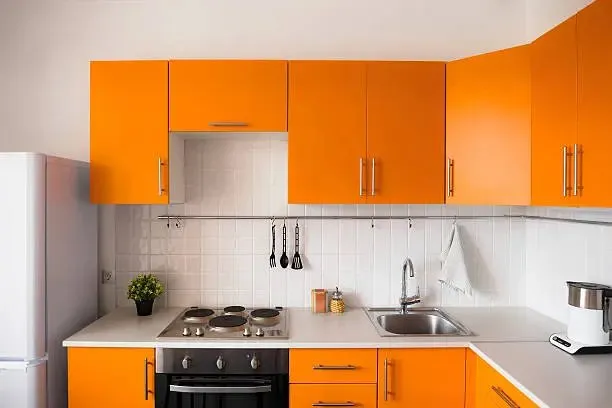
A Guide to Wood Kitchen Cabinets
This guide covers what wood kitchen cabinets are, the material and core choices George confirms for each project, solid wood, particle board, MDF and plywood, with Blum or DTC hardware options, door styles and finishes, the natural and modern wood looks, how sizing is confirmed, and how to request a quotation. George cabinets are made to order, and design, colour, material and size options are confirmed for each project. Start with the kitchen cabinets category page and send your project details through the inquiry form.
For trade buyers, the same route works for a showroom display or a development order. Minimum quantities are confirmed for each product and order; small quantities of cabinets can ship with other materials when several categories are ordered. Accepted payment methods include L/C, T/T, PayPal and Western Union.
Wood Cabinet Basics
Wooden kitchen cabinets are the everyday term for cabinets built with wood-based door fronts and carcases. Before you request a quotation, settle the decisions: door front material, carcase material, door style, finish and colour, layout, and size. George cabinets are made to order, and design, colour, material and size options are confirmed for each project. The kitchen cabinets category page is the place to review the range before you send measurements and drawings.
Wood cabinets vary in construction. A door can be solid timber, veneered board or a painted panel, while the carcase may use plywood, MDF or particle board. Those choices affect weight, how the door feels, and how the finish reads in the room. In practice, buyers who compare wooden kitchen cabinets should compare the full specification rather than the door name alone.
Solid Wood Cabinet Construction
Solid wood is used for doors, frames and panels, where its grain and edge detail can be seen. Cabinet boxes usually use engineered cores such as plywood, MDF or particle board because they provide stable panels for shelves, sides and backs. George’s cabinet material options include solid wood, particle board, MDF and plywood, with Blum or DTC hardware options; materials and hardware are confirmed for each configuration.
Selection points are practical. Natural timber moves with humidity, so frame-and-panel doors are a common way to allow for that movement, while flat doors give a quieter face. Painted finishes cover grain and suit a uniform colour; clear finishes show grain and tone. Specific wood species and finishes remain options to confirm in the quotation. To discuss a solid wood direction, send your layout and preferences through the inquiry form.
Natural Wood Tones and Finishes
A natural wood look comes from the wood tone and grain, how much colour or pigment the finish carries, and the door profile you choose. These are planning choices rather than fixed package items: a pale timber with a clear finish reads differently from a darker tone under a tinted finish, and a slab door shows grain differently from a frame-and-panel door.
George’s materials and finishes can be seen at the showroom in Foshan, which helps buyers compare tone, sheen and grain before a specification is fixed.
Engineered Wood Flooring and Cabinets
Engineered wood also refers to wood-based panels and veneered boards used for cabinet doors, panels and carcases. In a kitchen, plywood, MDF and particle board can form the box, shelves and door cores, while a veneer or painted finish gives the visible surface.
Compared with solid timber, engineered boards are made in flat panels, so door faces can stay flat over a larger area and panel sizes are less restricted by the natural width of a board. That influences door style, edge detail and finish choice. Species, veneer and finish remain options to confirm in the quotation, and the final build is set per configuration.
Modern Wood Cabinet Styles
Modern wood cabinets usually depend on restraint. Door profiles such as flat slab, slim shaker or glazed frames set the character; handles can be slim, integrated or omitted for a handleless look. Finish sheen can run from matte to high gloss, and wood tones work well when paired with solid colours or glass. Restrained trim and consistent symmetry complete the look. Review options on the kitchen cabinets category page.
To keep wood cabinets in a modern kitchen from looking dated, balance wood with plain or gloss panels, match hardware to the door profile, run grain and joints consistently, and plan internal storage so the fronts stay clean. Lighting should bring out the finish rather than flatten it. George provides 2D and 3D model design and product selection for kitchen projects, so the combination can be reviewed before ordering; materials and finishes are confirmed per configuration.
Planning a Modern Kitchen Around Wood Cabinets
Start with the whole room, not the cabinet run alone. A galley, L-shape, island or open-plan layout changes the length and rhythm of the cabinets, and the cabinetry has to meet flooring, ceiling and lighting neatly. Appliance integration and the position of tall storage should be settled early. Pantry, tall storage and island units can follow the same wood and finish direction so the kitchen reads as a coherent scheme.
Review kitchen cabinets, kitchen islands and pantry cabinets, then send the layout, wall measurements, style and material choices through the inquiry form.
Request a quote
Planning a kitchen? Share your layout and sizes and George will reply with cabinet options and a quotation.
Or write to sales@kitchencabinetsfromchina.com