Kitchen Cabinets Buying Guide
George, a building materials group established in 2006 in Foshan, Guangdong, presents this kitchen cabinets buying guide: the planning decisions that shape a workable kitchen, from layout and door style to storage, materials and finish, and how to request a quotation.
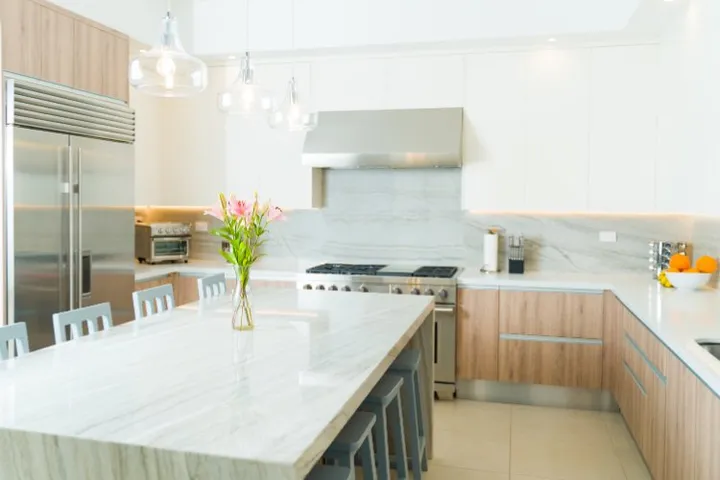
Planning Decisions for Kitchen Cabinets
Planning starts with cabinet types and layout: base, wall and tall units, drawer stacks and pantry storage arranged in a galley, L-shape, U-shape or island plan. Door style, materials, hardware and finish are chosen together so that fronts, interiors and handles suit the kitchen and the way it is used. George custom cabinets are made to order, with design, color, material and size confirmed for each project; material options include solid wood, particle board, MDF and plywood, with hardware confirmed for each configuration.
Cost is shaped by the decisions above, and an accurate quotation depends on the layout, wall measurements and selections you send. Share the kitchen plan and your choices through the inquiry form to receive a project-specific quotation.
Pantry and Storage Planning
A kitchen pantry cabinet is planned around what it stores and how often the contents are reached. Dry goods, tins, jars and bulky packs need adjustable shelving, drawers or pull-out trays, while everyday items belong at easy heights. Set the pantry beside base and wall cabinets so that doors and walkways work together, and choose a door style, material and finish that reads as part of the same run.
Interior organization should suit the cook: shallow shelves for labels, deeper shelves for containers, and drawers for loose packets. The pantry cabinet page shows related planning points.
White Cabinets and Finish Selection
White kitchen cabinets reflect light and make small or north-facing rooms feel brighter, but the finish still has to coordinate with countertops, flooring and hardware. A warm white can sit with timber floors and brass-toned handles, while a cooler white suits stone counters and metal hardware. Door style, material and finish should be reviewed together, because a painted shaker front and a flat melamine front read differently in the same light.
Buyers can see George’s materials and finishes at the showroom in Foshan. Lighting conditions on site also affect how white cabinets appear.
Storage Cabinet Layout
Plan kitchen storage cabinets by cooking and organizing zones: preparation near the sink, cooking around the hob, and serving near the fridge or island. Base cabinets carry drawers and pull-outs, wall cabinets hold lighter items, tall cabinets take full-height storage, and pantry storage handles dry goods. Appliance doors, opening directions and worktop clearances must be coordinated so that drawers and doors can be used together.
- Drawer stacks for pans, lids and utensils
- Pull-out trays for bottles and deep shelves
- Adjustable shelving in wall and tall units
- Divided drawers for cutlery and small tools
Access matters as much as capacity: keep heavy items low, daily items between hip and shoulder height, and occasional items higher.
Shaker Door Style
A shaker door is a frame-and-panel style: a flat centre panel sits inside a rectangular frame, often with a simple edge profile. The proportions of the frame and panel change the look, from slim and modern to broader and more traditional. Door material, finish and hardware should coordinate with the kitchen layout, because shaker fronts add visible lines that suit both run-based and island layouts.
For painted finishes, the door profile and edge detail are especially visible; for timber or veneer, grain direction matters across the panel.
Cost Factors and Budget Planning
Cheap kitchen cabinets are not a single specification; cost is shaped by materials, door style, finish, size, hardware and shipping. A simpler door profile, a smaller cabinet run or a standard depth can reduce material and freight, but each change should be compared on the same drawing and specification. Invite a project quotation through the inquiry form rather than relying on a headline rate.
When comparing discount kitchen cabinets, compare the cabinet box material, door construction, hardware, finish, dimensions and packing, not only the unit count. Ask for the same layout to be quoted in alternative materials or door styles so the trade-offs are clear.
To keep kitchen cabinets inexpensive while planning the layout you need, focus the budget where it is used daily: drawers, access and a workable route between sink, hob and fridge. Use open shelving or a kitchen island only where it earns its space. Minimum quantities are confirmed for each product and order, and small quantities of cabinets can be shipped with other materials; shipping terms and order quantities also affect cost, so confirm the full scope in the quotation.
Black Cabinets and Color Coordination
Black kitchen cabinets give a strong focal point, but the finish needs to be tested against lighting, countertops, flooring and hardware. Matte black can absorb light and suit pale stone or timber floors, while a satin or painted black picks up reflections. Door style and material change the result: a slab front reads sharp and minimal, while a shaker frame adds shadow lines.
Buyers can review materials and finishes at the Foshan showroom before the order is finalised. Under-cabinet lighting and wall colour also affect how black cabinets settle into the room.
Kitchen cabinet styles and colors
- Best White Kitchens: A Practical Planning Guide
- Black Kitchen Planning Guide: Cabinets, Islands and Finishes
- Black and White Kitchen Cabinets: How to Plan a Two-Tone Kitchen
- Blue Kitchen Cabinets: Choosing the Right Blue for Your Kitchen
- Contemporary Kitchen Planning Guide
- Cream Kitchen Cabinets: A Buyer’s Guide
- Green Kitchen Cabinets: A Practical Buying Guide
- Grey Kitchen Cabinets: A Practical Buying Guide
- High Gloss Kitchen Cabinets
- Italian-Style Kitchen Cabinets: A Buyer’s Guide
- Kitchens With Teal Cabinets: A Practical Planning Guide
- Luxury Kitchen Cabinets: A High-End Buying Guide
- Mid Century Modern Kitchen: A Planning Guide for Custom Cabinets
- Modern Kitchen Planning Guide
- Open Kitchen Planning Guide
- Organic Modern Kitchen: A Practical Planning Guide
- Rustic Kitchen Cabinets: A Practical Buying Guide
- Small Kitchen Cabinets: Planning Guide for Tight Spaces
- Two Tone Kitchen Cabinets: A Practical Buying Guide
- White Oak Kitchen Cabinets: A Practical Buying Guide
- White Shaker Kitchen Cabinets for Custom Kitchen Projects
Cabinet types, woods and materials
- Best Kitchen Cabinets: A Buyer’s Guide to Choosing Well
- Corner Kitchen Cabinet Guide: Solutions, Storage and Custom Planning
- Custom Hardwood Kitchen Cabinets
- Hickory Kitchen Cabinets: A Planning Guide
- Kitchen Base Cabinets Made to Order for Your Project
- Kitchen Cabinets for Sale: Custom Options from George
- Kitchen Cupboards Made to Order for Complete Kitchen Projects
- Kitchen Sink Cabinet Guide: Base, Small and Custom Options
- Kitchen Units: A Practical Buying Guide
- Kitchen Wall Cabinets Made to Order
- Maple Kitchen Cabinets: A Practical Buying Guide
- Metal Kitchen Cabinets Buying Guide
- Outdoor Kitchen Cabinets: A Planning Guide
- Pre Made Kitchen Cabinets: A Guide to Buying and Specifying
- Solid Cherry Wood Kitchen Cabinets: What to Know Before You Order
- Solid Oak Kitchen Cabinets
- Solid Wood Kitchen Cupboards Made to Order
- Tall Kitchen Cabinets: A Practical Planning Guide
- Walnut Kitchen Cabinets: What to Decide Before You Ask for a Quote
- Wood Kitchen Cabinets: A Guide to Materials, Styles and Custom Sizing
- Wooden Kitchen Cupboard Doors: A Guide for Buyers
Request a quote
Planning a kitchen? Share your layout and sizes and George will reply with cabinet options and a quotation.
Or write to sales@kitchencabinetsfromchina.com